- Shabhana s
- Best SEO Tools, Content Optimization, Digital Marketing Tools, Google Ranking Tools, Keyword Research Tools, Organic Traffic, SEO Marketing, SEO Optimization, SEO Strategy, SEO Tools 2026, SEO Tools for Small Business, Small Business SEO, Small SEO Tools, Website SEO
- 0 Comments
- 40 Views
Search engine optimization has become essential for businesses that want to attract customers through Google without relying entirely on paid advertising. However, professional SEO platforms can sometimes be expensive or overwhelming, particularly for startups, freelancers, bloggers, and small businesses working with limited budgets.
This is where Small SEO Tools can be useful. SmallSEOTools offers a broad collection of tools covering keyword research, content analysis, backlinks, website SEO, page speed, technical checks, and other digital marketing tasks.
For a small business, these tools can help identify SEO opportunities, check website performance, review content, and perform basic optimization without requiring an advanced technical background.
What Are Small SEO Tools?
Small SEO Tools is an online collection of tools designed to help website owners, marketers, writers, students, and SEO professionals with different optimization and content-related tasks.
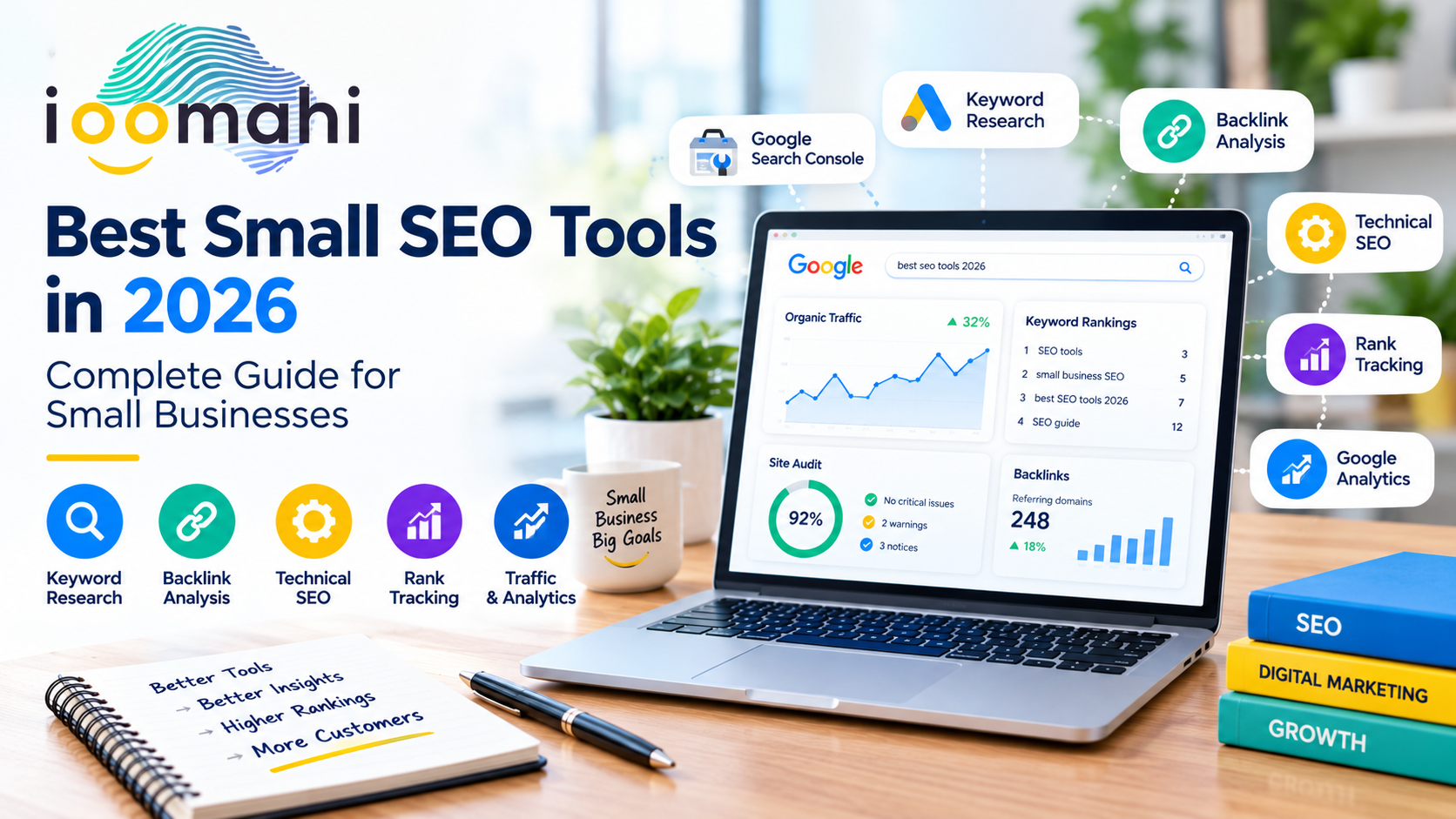
Its current toolset includes Keyword Research, Keyword Position, Keyword Density, Long-Tail Keyword Suggestions, Keyword Difficulty, Backlink Checker, Website SEO Score Checker, Page Speed Test, Meta Tags Analyzer, XML Sitemap Generator, Mobile Friendly Test, and several other utilities.
The platform also provides content-focused tools such as plagiarism checking, article rewriting, grammar checking, paraphrasing, AI content detection, and text analysis.
Why Small Businesses Need SEO Tools
Small businesses often have fewer resources than large companies. They may not have a dedicated SEO team or the budget to invest in multiple premium platforms.
SEO tools can simplify important tasks such as:
- Finding keyword ideas
- Monitoring keyword positions
- Checking website SEO issues
- Reviewing backlinks
- Testing page speed
- Checking content originality
- Analyzing keyword usage
- Creating metadata
- Generating XML sitemaps
Using these tools as part of a broader SEO strategy can help businesses make more informed optimization decisions.
Are SEO tools enough to rank a website then get more information here – SEO Copywriting
Best Small SEO Tools for Businesses in 2026
1. Keyword Research Tool
Keyword research is one of the foundations of SEO.
SmallSEOTools provides a Keyword Research Tool designed to generate keyword suggestions based on a website or topic. The platform says the tool can provide keyword ideas that businesses can use for blogs and website optimization.
For example, a digital marketing agency could research terms related to:
- Digital marketing services
- SEO services
- Local SEO
- Social media marketing
- SEO for small businesses
Businesses can then use relevant terms to plan website pages and blog topics.
2. Keyword Position Checker
Knowing where your website ranks for target keywords is important for measuring SEO progress.
The Keyword Position Checker allows users to enter a website, keywords, search engine, and device to check keyword positions. It also provides an option to add a competitor URL for comparison.
This can be useful for small businesses tracking important commercial keywords over time.
3. Keyword Difficulty Checker
Not every keyword is equally easy to rank for.
A keyword difficulty tool can help businesses evaluate potential keywords before investing time in content creation. SmallSEOTools includes a Keyword Difficulty Checker within its keyword tools category.
Small businesses can combine keyword difficulty with relevance and search intent to identify more realistic opportunities.
4. Keyword Density Checker
Keyword density is another area businesses may want to review when optimizing content.
The Keyword Density Checker is designed to analyze keyword usage within content.
However, businesses should avoid writing content simply to achieve a particular keyword percentage. Natural, useful content should remain the priority.
5. Website SEO Score Checker
A website SEO audit can help identify potential optimization issues.
SmallSEOTools’ Website SEO Score Checker analyzes areas such as website performance, content, links, speed, and usability and provides suggestions for addressing detected issues.
For a small business owner, this can provide a useful starting point for understanding where a website may need improvement.
Read here – SEO Optimization
6. Backlink Checker
Backlinks can play an important role in SEO.
The SmallSEOTools platform includes a Backlink Checker that can be used to examine a site’s backlink profile.
Businesses can use backlink analysis as part of competitor research and link-building planning.
7. Page Speed Test
Website performance affects user experience and can influence how effectively visitors interact with a website.
SmallSEOTools includes a Page Speed Test within its website management tools.
Small businesses can use speed testing to identify potential performance problems and then work with their developer to improve the site.
8. Plagiarism Checker
Original content is important for businesses publishing blogs, landing pages, product descriptions, and other website content.
SmallSEOTools’ Plagiarism Checker compares submitted content against online sources and provides information about matching content and sources.
This can help content teams identify potentially duplicated sections before publishing.
9. Meta Tags Analyzer
Title tags and meta descriptions influence how pages are presented in search results and can affect how users decide whether to click.
SmallSEOTools includes a Meta Tags Analyzer and Meta Tag Generator among its website management tools.
These tools can be useful when reviewing basic on-page SEO elements.
10. XML Sitemap Generator
An XML sitemap helps search engines discover URLs on a website.
SmallSEOTools lists an XML Sitemap Generator among its website management tools.
For small websites, generating and maintaining a sitemap can be part of a basic technical SEO checklist.
Read here – Business SEO
How Small Businesses Can Use These Tools
The biggest advantage is not simply having access to individual tools. It is using them together as part of a structured workflow.
Step 1: Research Keywords
Start by finding keywords related to your products, services, and customer questions.
Step 2: Evaluate Opportunities
Use keyword difficulty and search-intent considerations to decide which topics are worth targeting.
Step 3: Create Useful Content
Develop landing pages, service pages, product pages, and blog posts that genuinely answer customer needs.
Step 4: Check On-Page SEO
Review titles, descriptions, headings, keyword usage, links, and overall content structure.
Step 5: Audit the Website
Use an SEO checker to identify technical or on-page issues that may require attention.
Step 6: Monitor Rankings
Track important keywords periodically to understand whether your SEO efforts are producing progress.
Step 7: Improve Continuously
SEO is not a one-time activity. Update content, improve technical performance, build relevant links, and monitor changes over time.
Small SEO Tools vs Premium SEO Platforms
Small SEO Tools can be useful for basic and individual SEO tasks, especially for users who want quick checks without committing to a large SEO platform.
However, larger SEO platforms may provide more advanced capabilities for agencies and established businesses, such as extensive competitor research, larger keyword databases, detailed backlink intelligence, rank tracking, and advanced reporting.
Therefore, the right choice depends on your business size, SEO requirements, technical knowledge, and budget.
Small businesses and beginners: Start with simple SEO tools and build a consistent workflow.
Growing businesses: Combine free or affordable tools with analytics and search performance platforms.
SEO agencies: Consider advanced professional platforms when managing multiple clients and large-scale campaigns.
Benefits of Using Small SEO Tools in 202
Cost-Effective SEO Research
Businesses can perform many basic SEO checks without immediately investing in expensive software.
Easy to Use
Many tools are designed for straightforward online use, making them accessible to beginners.
Multiple SEO Functions
Instead of using separate websites for every small task, businesses can access keyword, content, backlink, and website-management tools in one platform.
Faster Content Checks
Tools such as plagiarism and keyword checkers can speed up routine content-review tasks.
Limitations to Keep in Mind
Small SEO tools should be treated as supporting tools rather than complete SEO strategies.
A tool’s score or recommendation does not automatically mean that Google will rank a page higher. Search performance depends on numerous factors, including content quality, relevance, technical implementation, competition, links, website reputation, and user experience.
Businesses should therefore use tool recommendations alongside real search results, Google Search Console data, website analytics, and professional SEO judgment.
Key Points
- Small SEO Tools provides a broad collection of SEO and content utilities.
- Keyword research tools can help businesses discover relevant search opportunities.
- Keyword position tracking can help monitor SEO progress.
- Website SEO checkers can identify potential optimization issues.
- Backlink tools can support link-profile and competitor research.
- Page-speed tools can help identify website performance concerns.
- Content tools can assist with originality and content-quality checks.
- Small businesses should use SEO tools as part of a wider strategy rather than relying on a single score.
Conclusion
For small businesses, SEO does not always require a large budget or an expensive collection of software. Small SEO Tools can provide a practical starting point for keyword research, content analysis, website auditing, backlink checks, and other everyday SEO tasks.
The key is to use these tools strategically. Rather than chasing scores or filling content with keywords, businesses should focus on understanding their customers, creating genuinely useful content, improving website performance, and monitoring measurable results.
When combined with a strong content strategy, technical SEO, analytics, and consistent optimization, the right SEO tools can help small businesses build a stronger foundation for sustainable organic growth in 2026.